
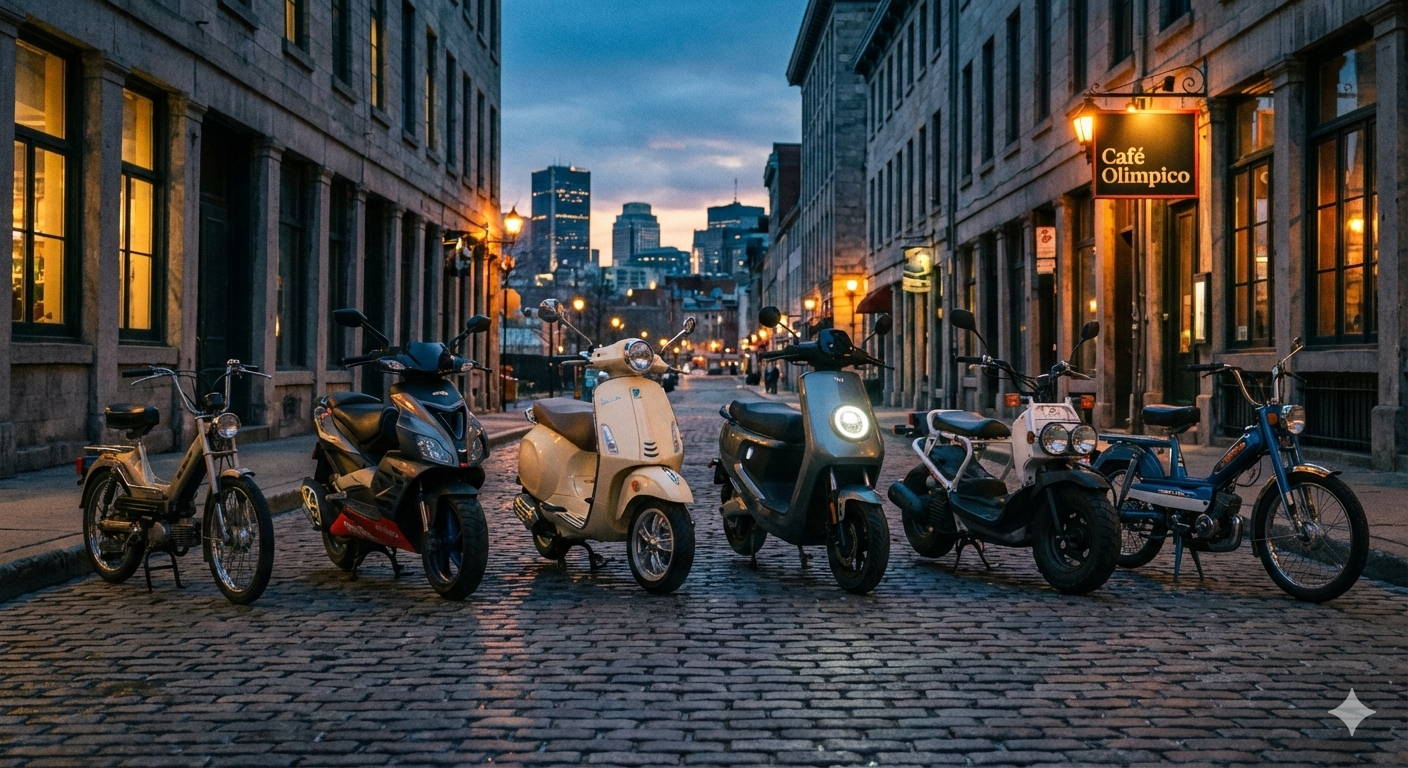
From Pedals and Pistons to the Silent Surge of Electric: Breaking Down Every Breed of the Urban Two-Wheeler
Whether you’re dodging traffic on Saint-Denis or weaving through the narrow ruelle of the Plateau, the diversity of the two-wheeled scene in Montréal is one of its greatest charms. But as the 2026 season approaches, the lines between what’s a bike, what’s a scooter, and what’s a “true” moped have blurred more than a rainy night on the Jacques-Cartier.
Understanding the “moped taxonomy” isn’t just for gearheads — it’s essential for navigating SAAQ regulations and choosing the right tool for your specific commute.
The Heritage Original: Traditional Pedal Mopeds
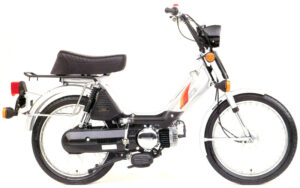
The word “moped” is a portmanteau of “motor” and “pedal,” and while many modern riders use the term loosely, the traditional pedal moped is where it all began. These machines feature a small engine (usually 50cc or less) paired with a functional bicycle drivetrain. They occupy a unique space in urban mobility, offering speeds between 30 and 50 km/h.
In a city like Montréal, where the terrain can vary from flat riverside paths to the grueling climb of the mountain, pedals aren’t just for show. They allow you to assist the engine on steep inclines or, in the worst-case scenario, pedal your way home if you run out of fuel. They are the ultimate lightweight survivor of the urban jungle.
The Urban Athlete: Sport Mopeds
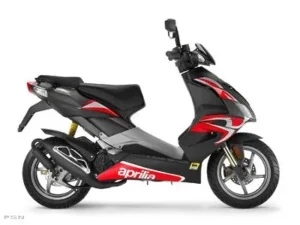
If the traditional moped is a city cruiser, the sport moped is its high-strung, caffeinated cousin. Designed to look like miniaturized sport bikes, these vehicles often feature aggressive bodywork and high-performance two-stroke engines. Models like the Yamaha Aerox or the Aprilia SR50 are staples here, offering a more aerodynamic and technical riding experience than their counterparts.
While they still fall under the 50cc ceiling to keep them accessible to Class 6D license holders, they are built for those who value handling and “flickability.” In the tight corners of Montréal’s downtown core, a sport moped can often out-maneuver a full-sized motorcycle, making every trip to the dépanneur feel like a lap at the track.
The Commuter King: Step-Through Scooters
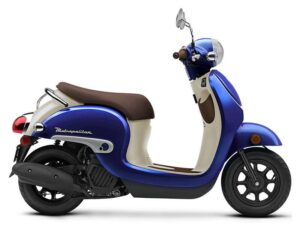
The most common sight on our streets is the step-through scooter. Defined by its open frame, floorboard for your feet, and automatic CVT (Continuously Variable Transmission), this is the “twist-and-go” champion. Whether it’s a classic Vespa Sprint or a reliable Honda Metropolitan, these bikes prioritize utility and ease of use.
Under-seat storage makes them the perfect companion for a grocery run or carrying your gear to a design meeting. While many stick to the 50cc limit to avoid the complexities of a full motorcycle license, mid-sized versions can go up to 150cc, pushing top speeds toward the 100 km/h mark—just enough to tackle some of the city’s faster boulevards safely.
The Silent Revolution: Electric Mopeds
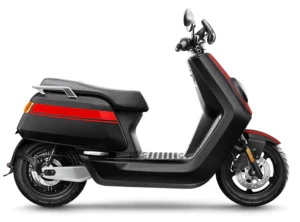
2026 is truly the year of the electric surge. Leading the charge are brands like NIU and Segway, offering machines that trade exhaust notes for instant, silent torque. Because these bikes lack a traditional transmission, the acceleration from a stoplight is often much faster than their gas-powered equivalents.
With motor outputs often exceeding 750W, modern electrics can comfortably maintain 45 to 80 km/h. For the Montréal commuter, the range is the big selling point, with some models offering over 150 km on a single charge. When you factor in the lack of oil changes and the ability to charge in your apartment, it’s clear why the hum of the electric motor is becoming the new soundtrack of the 514.
The Street Brawler: Rugged and Utility Mopeds
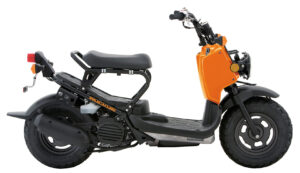
For those who see potholes as a personal challenge rather than an obstacle, the rugged utility moped is the answer. Built with exposed frames and “fat” tires, models like the Honda Ruckus or Yamaha Zuma are designed for durability. They often feature front and rear racks, making them the “SUVs” of the moped world.
These bikes are built to take a beating, which is exactly why they are so popular in Montréal. Their rugged suspension is tuned for uneven pavement and the occasional gravel path, ensuring that you get to your destination regardless of the state of the road construction on your route.
The Soulful Survivors: Vintage and Retro Classics
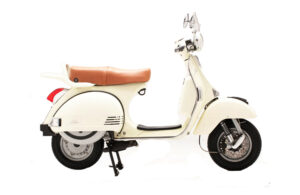
Finally, we have the heart of the community: the vintage classics. These are the Puch, Motobécane, and early Vespas of the 60s, 70s, and 80s that have been painstakingly maintained or restored. They represent a time when mechanical simplicity was king.
Riding a vintage Motobécane through the Plateau isn’t just about transport; it’s a statement of style and a connection to Québec’s deep history with French engineering. While they require more “wrenching” than a modern NIU, the character and mechanical soul of a 40-year-old two-stroke are impossible to replicate with a battery.
Finding Your Place
In the end, the “best” moped isn’t determined by a spec sheet or a fuel type; it’s determined by how it makes you feel when you’re cutting through the downtown core at sunset. Whether you crave the greasy-fingered satisfaction of keeping a vintage Puch alive, the rugged “anywhere” capability of a Ruckus, or the futuristic, silent snap of an electric NIU, there is a seat for everyone in the Montréal two-wheeled community.
As we continue the countdown to March 15th, it’s clear that our streets are becoming a living gallery of engineering history and future tech. Each category offers a different lens through which to view our city, turning a mundane commute into a daily adventure. The taxonomy might be complex, but the goal is simple: two wheels, one city, and the freedom to navigate it on your own terms.
Which side of the taxonomy do you fall on? Are you a “twist-and-go” commuter, a vintage restorer, or have you joined the silent electric revolution?
Leave a Reply