
Today is November 2
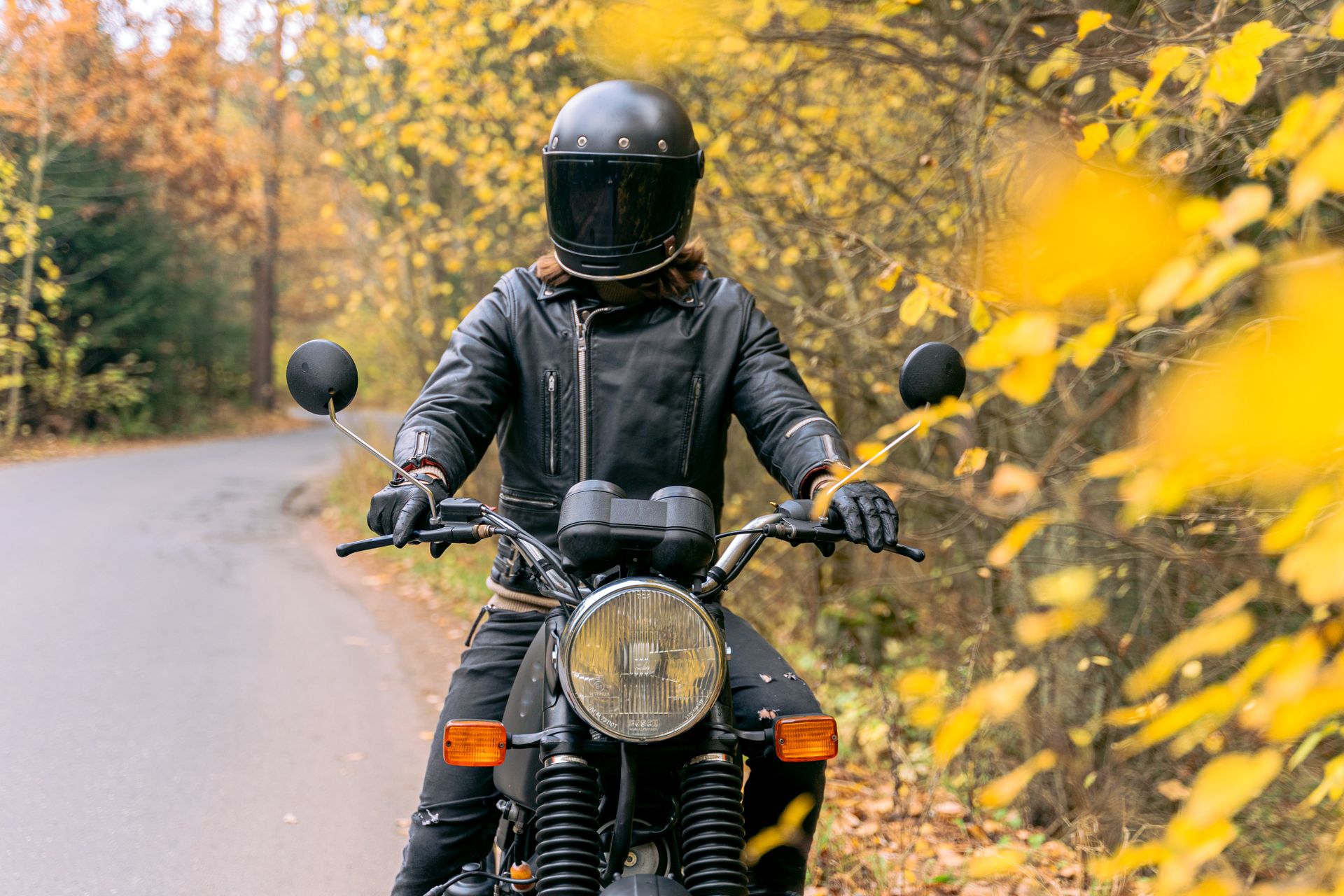
If you ride on two wheels in Montreal, you don’t need a calendar to tell you that the sand in the hourglass is running dangerously low. You feel it in your bones the second you step outside for your morning commute. The morning temperature hovers stubbornly in the low single digits, the damp river air bites through your outer shell, and the leaves that were fiery orange just two weeks ago are now slick, brown mulch plastered to the road.
Most importantly, there are fewer than thirty days left before the riding season legally and practically comes to a hard stop.
In Quebec, riding late into the autumn is always an exercise in borrowed time. Between the provincial Highway Safety Code, the sheer physical and mental toll of sub-zero commuting, and the reality of winter storage, November is a month of hard calculations.
Here is an honest look at the ticking clock, the law, the gear reality, and where our bikes go when Montreal turns into a frozen fortress.
The Legal Curtain: Section 440.1 and the 3PMSF Trap
Every driver in Quebec knows about the winter tire mandate, but many people outside our borders are surprised to learn that the law makes no exception for two wheels.
Under Section 440.1 of Quebec’s Highway Safety Code (Code de la sécurité routière), from December 1 to March 15 inclusive, all motorized road vehicles registered in Quebec must be equipped with tires specifically designed for winter driving. If you are caught on the road on December 1 without them, you are looking at a fine ranging from $200 to $300, plus administrative fees.
To be considered street-legal during this window, a tire must carry the official 3PMSF pictogram (the three-peak mountain snowflake symbol) certifying that it has met specific traction thresholds in snow. Studded tires are also permitted between October 15 and May 1.
For passenger cars, complying with this law is as simple as booking an appointment at your local garage. For motorcyclists and scooter riders, however, Section 440.1 is effectively a de facto provincial riding ban.
Why? Because finding road-legal, 3PMSF-certified tires that fit modern motorcycle and scooter wheel sizes in North America is nearly impossible. While a handful of European manufacturers produce winter-compound tires for dual-sports or European-spec commuter scooters (such as the Heidenau K66 Snowtex or Anlas Winter Grip), the vast majority do not carry the specific DOT/3PMSF stamping recognized by Quebec law.
Unless you are an emergency services vehicle (one of the very few legal exemptions listed in the regulations) the province essentially locks you out of the road network on December 1.
Beyond the Rubber: The Harsh Reality of Riding on Ice
Even if you managed to source a compliant set of winter-rated tires for a 14-inch scooter wheel or a street bike, legal compliance does not equal survival.
Let’s be completely honest: I do not have the skills to ride two wheels on snow and ice. And frankly, very few people do.
Riding a motorcycle or moped on dry, cold asphalt is a question of managing tire temperature and watching for loose gravel. Riding on packed snow, slush ruts, and invisible sheets of black ice is an entirely different sport. It requires the specialized throttle finesse of an elite hard-enduro rider or an ice-track racer. On a commuter bike on city streets, where you share narrow, slippery lanes with four-ton delivery vans and rush-hour SUVs that cannot stop in time, a single front-wheel slide spells immediate disaster.
To even contemplate winter commuting in Montreal, tires are merely the starting point. The physical demands on the machine and the rider are astronomical:
- Tire Studs and Chains: While studs are legally allowed starting in mid-October, they require custom drilling into specific knobby treads. Snow chains or traction socks for motorcycles exist in niche utility markets, but the swingarm, fender, and brake caliper clearances on modern street bikes make them completely impractical.
- Extreme Cold Weather and Battery Drain: For electric riders on machines like my NIU NQi GTS, severe sub-zero cold dramatically slows down battery chemistry. Range drops significantly, charging times double, and lithium cells cannot safely be charged if their internal temperature drops below freezing.
- The Corrosion Slurry: Montreal’s unique winter road treatment (a heavy mixture of abrasive stone dust, small crushed gravel, and aggressive de-icing chemicals) turns into a corrosive paste. It coats electrical harnesses, seizes brake calipers, strips paint, and works its way into every bearing.
- Heated Gear and Wind Chill: At 50 or 60 km/h in -10°C weather, the wind chill on your chest and extremities easily plunges below -25°C. Surviving that requires full 12-volt heated gear: jackets, pants, heated grips, and wired heated glove liners.
- The Visor Battle: Pinlock anti-fog inserts work miracles in autumn rains, but in deep sub-zero conditions, the breath condensation trapped between the lenses eventually freezes into frost. Without an electric snowmobile-style dual-pane heated shield, you are forced to ride with your visor cracked open, subjecting your eyes and face to freezing wind.
When you weigh the reality against the romance, the verdict is simple: winter always wins.
The Mental Equation: The Psychology of Harsh-Weather Riding
Riding through November is a constant psychological negotiation. There are days when the sun peeks out, the asphalt is completely dry, and the crisp autumn air feels invigorating. But the mental headspace required for late-season riding is exhausting.
The Draw: Defiance and the Flow State
There is an undeniable, raw satisfaction to gearing up and riding when everyone else has packed it in. In late autumn, riding demands absolute, undivided attention. You cannot daydream, you cannot check out mentally, and you cannot ride casually.
Every patch of wet leaves, every manhole cover, every bridge deck, and every dark patch of asphalt that might be black ice demands hyper-vigilance. Entering that heightened state of awareness is a unique form of meditation. When your mind is focused 100% on keeping two wheels upright, every worry about your daily life, your job, or your future completely evaporates.
The Mental Toll: Cognitive Fatigue and the Anxiety of the Slide
The downside of that hyper-vigilance is cognitive exhaustion.
When you spend your entire commute bracing for a sudden loss of traction, your body tenses up. You grip the handlebars tighter than you should, your shoulders ache, and cold-induced decision fatigue sets in. Every shadow on the road looks like a hazard.
Worse yet is the lingering anxiety: knowing that no matter how carefully you ride, you are only one patch of unseen morning frost or one distracted driver away from a low-side slide that could break bones and total your machine.
Eventually, the fun diminishes. Riding stops being an escape and turns into a high-stakes chore. When putting on four layers of gear takes longer than the actual ride itself, the brain begins to crave the simplicity of winter hibernation.
Where Bikes Go to Sleep: The Montreal Winter Storage Market
Because the vast majority of riders choose preservation over foolish pride, November triggers a massive seasonal migration.
In a city like Montreal, where a huge portion of riders live in apartments, triplexes, or condos with street-only parking or unheated exterior alley sheds, winter storage is not a luxury — it is an absolute necessity. Leaving a motorcycle outside through a Montreal winter under a snowbank guarantees ruined fork seals, rusted chains, dead batteries, and weather-cracked tires.
As a result, a massive winter storage industry swings into gear across the Greater Montreal area. Dealerships and specialty shops transform their showrooms and warehouses into climate-controlled storage facilities, parking bikes handlebar-to-handlebar from November through April.
What Does Winter Storage Include?
A professional winter storage package generally includes far more than just a dry patch of concrete:
- Heated, Secure Facilities: Consistent 15°C to 20°C temperatures that prevent condensation, protecting internal engine components and electronic control units from moisture damage.
- Battery Maintenance: Continuous connection to smart battery tenders or regular trickle-charge cycling throughout the off-season. For electric mopeds, this means keeping the high-voltage lithium packs stored at optimal storage voltages rather than freezing on the pavement.
- Fuel System Prep (for Gas Bikes): Adding fuel stabilizer to a topped-up tank and running it through the injectors, preventing ethanol fuel from separating and gumming up internal passages.
- Tire and Chassis Care: Keeping tires off cold, damp concrete floors to prevent flat spots, and keeping tire pressures properly managed.
- Spring Start-Up & Multi-Point Inspection: When the thaw arrives, the technicians fire up the bike, check brake fluid levels, inspect pad life, verify lighting, and give the vehicle a preliminary wash before hand-off.
The Price Breakdown
Across Montreal, winter storage prices generally range depending on the size of the machine and the services bundled into the contract:
| Storage Type | Approximate Seasonal Cost (CAD) | Typical Inclusions |
| Basic Unheated / Shared Garage | $150 – $250 | Space only; DIY battery removal & winterizing. |
| Standard Scooter / Small Displacement | $250 – $350 | Heated facility, battery maintenance, spring check. |
| Standard Motorcycle / Cruiser | $350 – $450 | Heated, secured, fuel stabilizer, spring inspection. |
| Large Touring Bikes / Trikes | $450 – $600+ | Extra floor space, pannier storage, dedicated tenders. |
| Turnkey “Storage + Service” Packages | $500 – $700 | Heated storage combined with an off-season oil change, fluid flush, or tune-up. |
My Choice: Excel Moto
Personally, I store my ride with Excel Moto (not a sponsor) on Rue Paré in Montreal.
When you live in the city without a dedicated garage, having a dealership that is reasonably close, accessible, and affordable makes all the difference. Their storage is heated, clean, and fully monitored. Knowing that the machine is resting in a safe environment, and that I won’t have to deal with a dead battery or deteriorated seals when mid-March rolls around, is worth every single dollar. It takes the stress completely out of the equation.
Squeezing Out the Last Drops
With just under a month remaining on the clock, the countdown is officially on.
Every sunny afternoon that climbs above 5°C is a gift. The rides might be shorter, the gear might be bulkier, and the stops for hot coffee might be more frequent, but there is a special beauty to these final late-autumn outings. The city roads are quieter, the skies are clear, and the anticipation of the long winter sleep gives every kilometre a bit more weight.
Between now and the final week of November, I’ll be out on two wheels whenever the roads are dry. But when the time comes to wheel the bike through the doors of the storage warehouse, I’ll do it with a smile, knowing that stepping away is what keeps both the machine and the rider ready for another season.
How are you handling the November countdown? Are you riding right up to the November 30 deadline, or have you already tucked your bike away for the winter?
Let me know in the comments below. Dress warm, watch out for black ice in the shade, and ride safe!
Leave a Reply